Dentist games
AppQuizEducational
4.51.24K Reviews
- Version
- 17.8
- Installs
- 50.00M
- Age Rating
- Everyone
Screenshots
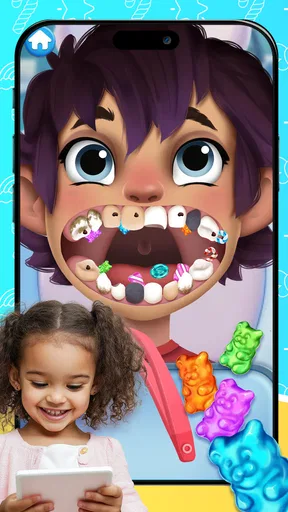
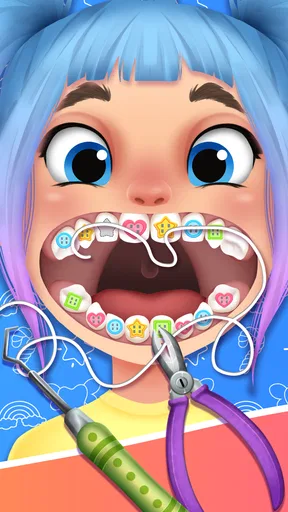
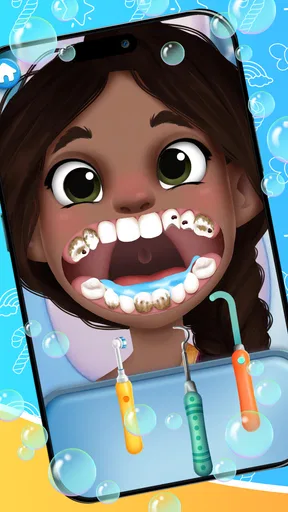
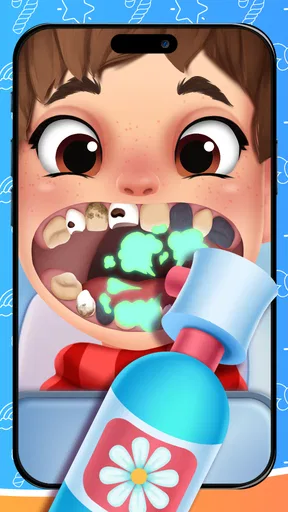
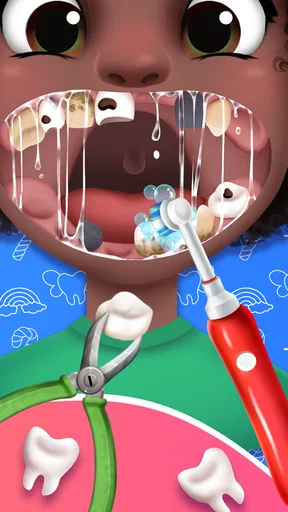
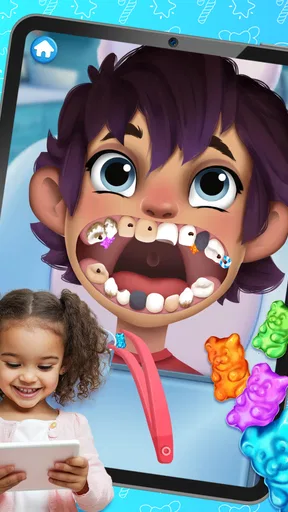
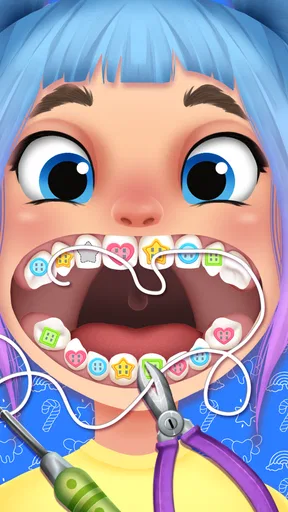
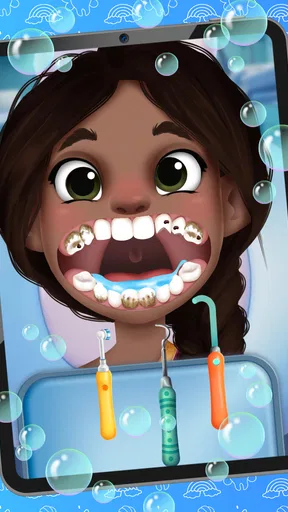
Our Review of Dentist games
 Analysis by Appyee
Playing dentist sounds simple until a child starts tapping everything on the screen at once. In my experience, Dentist games works best when you treat it as a gentle, guided activity rather than a serious medical simulator. It turns basic dental-care actions into short tasks, giving children a playful way to explore what happens during a visit to the dentist. I found it especially suitable for younger players who enjoy helping characters and seeing an immediate visual result.
This is a free educational game from AppQuiz, aimed at Everyone. It has been available since December 28, 2015, and its long presence is reflected in a 4.4 average from around 105 thousand ratings, alongside more than 50 million installs. Those figures suggest that it has reached a very broad family audience, but popularity does not make it perfect for every child. Its strongest quality is accessibility; its biggest weakness is that the experience can feel repetitive once the basic actions become familiar.
How the basic dentist workflow feels in practice
The central idea is easy to understand: choose a character, examine the mouth, and use the available dental tools to improve the situation. The game presents the process visually, so children do not need to read long instructions before doing something. That matters for early readers, and it also makes the game approachable for a child who simply wants to tap, drag, and experiment.
I like the way this structure creates a clear beginning, middle, and end. A child can see a problem, try an action, and watch the mouth change. That feedback is more useful than a lesson that only explains brushing or dental visits in words. The game does not ask the player to memorize a complicated sequence before starting, so a parent can hand over the device and let the child discover the controls with limited help.
A realistic everyday use case is a short session before a dental appointment. Rather than presenting the visit as something mysterious, a parent can let a child play for a few minutes and talk about what the character is doing. I would pause occasionally and connect the on-screen action with real life: brushing gently, keeping the mouth clean, and listening to a dentist. The game is most valuable in that conversation, not as a replacement for it.
Another useful moment is after a child has eaten a sugary snack and needs a reminder about oral care. The game can make the subject less confrontational because the child is helping a character instead of being lectured. I would still keep the explanation accurate and simple. The playful actions are a starting point for a habit, not proof that the child has learned proper dental technique.
What new players should do first
My advice is to let the child try the first session without correcting every tap. The controls are designed to be discovered, and early freedom helps the player understand that the game is forgiving. After that, guide attention toward the order of actions. Asking “What do you think we should do next?” turns a sequence of taps into a small reasoning exercise.
For younger children, a parent may need to read or explain occasional instructions. That is not a serious flaw, but it changes how independent the experience feels. A child who cannot yet read may understand the pictures while missing the intended goal. Sitting beside the player for the first few rounds is worthwhile, especially if the game is being used as an educational activity rather than simple entertainment.
Experienced use is less about finding secret content and more about building a repeatable routine. I would use the same pattern each time: inspect the character, identify the visible problem, choose one tool, and wait for the result before moving on. This prevents random tapping and gives the child a chance to notice cause and effect. It also makes it easier for a parent to see whether the child understands the task or is only following animations.
Settings and device habits worth checking
There are no complicated configuration choices that need to dominate the experience, which is part of the appeal for families. Before giving the device to a child, I would still check the phone or tablet’s sound level, screen brightness, and general child-safety setup. Those checks are more useful than searching for advanced options that may not be relevant to a simple educational game.
Sound can make the actions feel more responsive, but it may be distracting in a waiting room or during a quiet evening. If the child is playing in public, lowering the device volume keeps the activity considerate. At home, moderate sound can help the player notice when an action has been accepted. I prefer to keep enough audio for feedback without making it the main attraction.
The game is free to download and play, with optional in-app purchases ranging from $0.99 to $4.99 per item. For a child’s device, I would review purchase controls before starting and make it clear who is allowed to buy anything. This is a practical step because a child may interpret an available item as part of the normal game rather than as something connected to real money. The free starting point makes it easy to test the core experience first.
The current version is 17.5 and it requires Android 7.1 or later. That requirement is useful to check before installing on an older phone or tablet. On a compatible device, the main concern is not technical complexity but whether the screen is large enough for a small child to tap accurately. A tablet can make the tools easier to see, while a compact phone is more convenient for travel.
I would also avoid handing over a device with unrelated notifications appearing during play. A message banner can interrupt a child at the exact moment they are trying to complete an action. A short, prepared session works better than leaving the game open indefinitely. The goal is focused play, not simply keeping a child occupied for as long as possible.
Faster patterns that make short sessions better
Once a child understands the basic controls, the most effective shortcut is not faster tapping. It is better observation. Encourage the player to look at the mouth before choosing a tool. This small pause reduces random actions and helps the child connect the appearance of a problem with the appropriate response.
I also found that alternating independent play with one question from an adult keeps the session purposeful. For example, ask the child to explain what they are trying to fix, then let them continue without interruption. This approach avoids turning the game into a test while still checking comprehension. It works particularly well for children who rush through visual games simply to trigger the next animation.
A useful repeatable habit is to finish each character before switching attention elsewhere. Completing one sequence gives the child a sense of closure and makes progress easier to understand. Jumping between tasks can be fun, but it often produces shallow play because the player remembers the movement of the tools more than the reason for using them.
Parents can also use the game as a vocabulary exercise. Words such as clean, tooth, mouth, brush, and dentist can be introduced naturally while the child is already looking at the relevant action. I would keep the vocabulary limited to a few terms per session. Too much explanation can turn a relaxed game into a lesson, while a small amount of language makes the activity more memorable.
For siblings, taking turns can work better than allowing both children to control the screen at once. One child can choose the action while the other predicts the result, then they can swap. This makes the game cooperative without requiring a separate multiplayer mode. It also reduces the frustration that comes from competing over every tap.
Where the educational value reaches its limits
The game introduces dental care through interaction, but it should not be treated as a complete oral-health guide. A child may learn that certain actions improve a character’s mouth without understanding the pressure, duration, or technique needed in real life. I would never use the game to replace advice from a dentist, especially when a child has pain, visible damage, or anxiety about treatment.
Its simplicity is both a strength and a limitation. Younger children can begin quickly, but older children may finish the available routines and feel that the challenge has not developed with them. If your child wants detailed explanations, realistic procedures, or a deeper science lesson, a dedicated educational video or a dentist-led explanation may be a better match.
Repetition is another trade-off. Repeating the same kind of care can reinforce a message for a preschooler, yet it may feel monotonous to a child who already understands the controls. I would use it in short bursts rather than expecting it to hold attention for a long journey. The game is better as a calm activity between other tasks than as the only entertainment on a long day.
There is also a difference between pretend medical play and genuine clinical accuracy. The friendly presentation makes the subject less intimidating, but it can simplify the consequences of dental problems. That is appropriate for an Everyone-rated children’s game, provided adults frame it correctly. I would describe it as a playful introduction to caring for teeth, not as a virtual appointment or a diagnostic tool.
Families should also think about the child’s temperament. A child who enjoys caring for characters, visual changes, and gentle role-play is likely to respond well. A child who dislikes medical themes, even in cartoon form, may find the subject uncomfortable. In that case, a general hygiene game could deliver a similar habit-building message with less focus on mouths and dental tools.
How it compares with ordinary alternatives
Compared with a standard brushing timer, this game offers more imagination and interaction. A timer is usually better for building a consistent real-world brushing routine because it focuses directly on time and repetition. Dentist games is better at making the subject approachable and giving a child a pretend role. I would use the game for motivation and the timer for the actual daily habit.
Compared with watching a dental-care video, the game gives the child something to do instead of asking them to sit and absorb information. That active element can help a young player stay involved. Video, however, may explain real brushing technique more clearly, especially when a professional demonstrates it. The choice depends on whether the immediate goal is engagement or precise instruction.
Compared with more advanced medical simulation games, this one is much easier to start and less demanding. That makes it a good first step for a young child, but not the strongest choice for someone seeking realistic procedures or a serious challenge. I would choose this title when emotional comfort and simple interaction matter more than depth.
The developer, AppQuiz, has kept the concept focused enough that the game is easy to recommend in the right setting. Its broad audience and free entry point remove much of the initial risk for parents who want to try it. Still, the optional purchases mean I would establish device rules before installation, and I would not assume that a child’s interest will remain high after repeated sessions.
Who should try it and who should skip it
I would recommend it to preschool and early-school-age children who enjoy pretend play and need a friendly introduction to dental visits. It can also help parents start a conversation with a child who is nervous about sitting in a dentist’s chair. The visual workflow is approachable, and the Everyone content rating makes it suitable for a family setting.
I would be more cautious for older children who expect complex gameplay, detailed medical explanations, or a strong sense of progression. They may find the activities too predictable. I would also skip it as a primary choice if your main aim is to teach exact brushing technique, track a daily routine, or provide professional health advice. Other tools are more appropriate for those jobs.
One practical advantage is that the game does not require a child to understand a complicated interface before participating. That makes it useful during a short wait, on a family trip, or as a brief activity before bedtime. The best results come when an adult adds context and then lets the child take control. Without that conversation, the educational message can be reduced to tapping until the screen looks better.
After spending time with it, my view is that the game succeeds because it keeps the first contact with dental care light and manageable. It is not deep, and its repeated routines may eventually lose their novelty, but those same qualities make it approachable for young players. Its real strength is turning a potentially intimidating subject into a small, repeatable role-play exercise.
If you want a free educational game that lets a child pretend to help characters while learning the basic idea of caring for a healthy mouth, I think it is worth trying. Set purchase controls, keep sessions short, and use the actions as conversation starters rather than medical instruction. With those expectations, Dentist games is a useful family-friendly introduction, even if it is not the right long-term choice for children who need greater challenge or more precise dental education.
Privacy and Permissions
See what permissions an app requests and how it handles your data.
- Other
- view network connections, full network access, prevent device from sleeping, Google Play license check
Verdict
Strengths of Dentist games
- Fun way to learn basic dental care habits
- Simple controls make it suitable for younger players
- Colorful graphics keep dental procedures engaging
- Offers several patients and treatment scenarios
- Can encourage children to feel less afraid of dentists
Limitations of Dentist games
- Some procedures may become repetitive after extended play
- Ads can interrupt gameplay in the free version
- Educational information is fairly basic
- Certain tools or features may require in-app purchases
- Cartoon treatments may not reflect real dental visits
Other Releases by AppQuiz
View All
Baby Balloons pop
Educational4.4

Fisher-Price™ Play & Learn
Educational4.6
Similar Picks in This Category
View All
Little Panda Policeman
BabyBus4.0

Monster Trucks Game for Kids 2
Raz Games4.1

Little Panda's Chinese Recipes
BabyBus4.4

Little Panda's Restaurant
BabyBus4.4

Little Panda's Ice Cream Games
BabyBus4.3

Baby Panda Care
BabyBus3.8
Frequently Asked Questions
What is Dentist Games, and what can I do in it?
Dentist Games is a casual simulation game that lets you perform playful dental treatments on virtual patients. Depending on the available activities, you may examine teeth, clean plaque, remove cavities, apply braces, extract damaged teeth, and use different dental tools. It is designed mainly for entertainment, with simple controls and colorful visuals rather than realistic medical training.
Is Dentist Games suitable for children?
Dentist Games is generally aimed at children and casual players, thanks to its straightforward controls, bright graphics, and easy-to-understand treatment tasks. However, parents should review the specific version before downloading because age ratings, advertisements, and available procedures can vary. Some scenes may also make younger children uncomfortable, particularly when the game includes injections, extractions, or exaggerated dental problems.
Does Dentist Games require an internet connection?
Many Dentist Games versions can be played offline after installation, which is convenient for travel or situations without Wi-Fi. Nevertheless, an internet connection may be required for advertisements, optional rewards, updates, cloud features, or in-app purchases. The exact behavior depends on the developer and platform version, so it is worth testing the game in airplane mode before relying on it for completely offline play.
Are there advertisements or in-app purchases in Dentist Games?
The game may include advertising, especially between patients, treatment stages, or bonus activities. Some versions can also offer optional purchases for removing ads, unlocking tools, opening new characters, or speeding up progress. These payments are usually not necessary to complete the basic gameplay, but parents should check the store listing and enable purchase restrictions if children will be using the device.
Can Dentist Games teach real dental care or replace professional advice?
Dentist Games can introduce children to basic ideas such as brushing teeth, visiting a dentist, and taking care of oral hygiene in an entertaining way. However, its treatments and animations are simplified for gameplay and should not be considered medically accurate instructions. It cannot diagnose dental problems or replace advice from a qualified dentist, particularly when a real person has pain, swelling, bleeding, or damaged teeth.
Play our best games!


